
I recently remembered a song I learnt in secondary school.
I attended a Federal Government school, and back then, it really was federal. We had boys and girls from different parts of Nigeria, different cultures, different religions and completely different backgrounds. It was a proper melting pot.
Looking back now, I realise how much that experience exposed me to. I would go home for the holidays teaching my siblings Fuji songs, folk songs and all sorts of random things I had picked up from school. It gave me a little peep into the many cultures, classes and groupings that make up Nigeria.
And there was a lot of singing in school — which, of course, meant a lot of songs! Funny enough, I still remember almost all of them. Some more vividly than others, and a few have stayed with me in a particularly profound way. The Annie Song is one of them.
The Annie song.
I still remember the first time I heard it. That night, I went to bed and cried my eyes out just thinking about Annie. The song begins with a line that has remained with me all these years:
“No one ever noticed Annie weeping…” People were around her, yet Annie was completely alone. Her mother had her meetings. Her father had his job. Life was happening around her, everybody was busy doing what adults do, and nobody realised just how desperate Annie had become.
Then the song takes a devastating turn. Alone in the bathroom, Annie takes a jar of pills and ends her life. Suddenly, everybody has time.
Her devastated parents are left trying to understand what happened. They loved their daughter. They assumed she knew that they loved her. But they hadn’t known the depth of what she was going through. And now there were so many things they wished they could tell her.
But it was too late for Annie.
Even writing that now makes my heart heavy. I must have learnt this song about 26 years ago, and the song itself may be much older. Yet here we are today having conversations about mental health, depression, loneliness and suicide.
It made me realise something.
We’ve always had Annies. Probably for as long as human beings have existed. The language may have changed. Awareness may have improved. But people have always struggled.
And sometimes we ignored them, Sometimes we called them weak., Sometimes we told them to toughen up, Sometimes we said, “Abeg, everybody has problems.”, Sometimes we assumed that because someone was smiling, working, parenting, worshipping, dressing beautifully or posting lovely pictures, everything must be fine.
And sometimes, like Annie’s parents, we loved them deeply — we just didn’t realise they were drowning.
She Might Be Next to You
The most powerful part of the song for me comes towards the end. Annie is gone, but the song reminds us that there are many others like her all around us.
And for them, it isn’t too late.
That is the message I want us to hold on to. How many Annies do we encounter every day without knowing?
- The colleague who has suddenly become withdrawn.
- The friend who has stopped calling.
- The teenager whose sadness we’ve dismissed as moodiness.
- The man who jokes his way through everything because vulnerability feels uncomfortable.
- The woman who always looks fabulous, smiles for everybody and then goes home and cries.
- The mother who appears to be holding everything together but is hanging on by a thread.
- The person sitting beside you in church.
- The person sitting beside you at work.
Maybe even the person reading this article. We don’t always know. And that is why kindness matters.
Kindness Without an Agenda
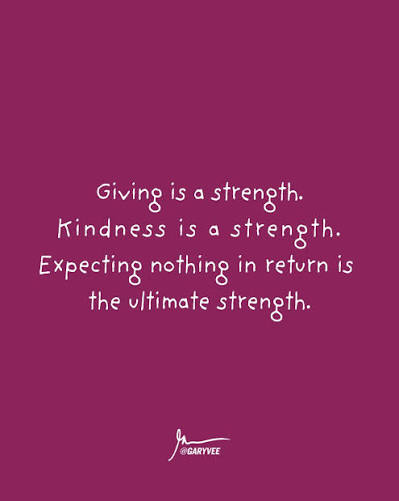
And this brings me to something else I feel strongly about. Kindness should not have an agenda. It shouldn’t be based on reciprocity or on what we hope to get back. We shouldn’t only be kind to people we know, people who are kind to us, useful to us, important to us or capable of returning the favour.
Sometimes, be kind for no reason, be kind simply because kindness reflects who you are.
Don’t let someone’s inability to reciprocate your kindness make you regret giving it. Don’t keep score. Don’t measure what you gave against what you received. Because here’s the thing: sometimes the person who cannot give anything back simply has nothing left to give.
They may be fighting a battle you know absolutely nothing about. So give the compliment, Hold the door, Send the message, Ask the colleague if they’re okay, Correct someone without humiliating them, Give people a little grace when they’re not quite themselves, Smile at the person who doesn’t smile back.
And please, don’t reserve kindness only for people you think deserve it – Be kind anyway. Not because they earned it, not even because they’ll return it and certainly not because anyone is watching. Be kind because that is the kind of person you have chosen to be.
And perhaps this is where Annie’s story becomes even more important.
We don’t know who is on their last leg. We don’t know who woke up that morning wondering how they would make it through another day. We don’t know who is smiling outside while quietly falling apart inside.
That little kindness you considered insignificant might be the one good thing that happened to somebody that day. It may not solve their problems, it may not cure depression or replace professional help.
But it might remind them, even for a moment, that they are seen.
And sometimes, being seen is where the conversation begins.
What Can We Actually Do?
We cannot diagnose everybody around us, and we shouldn’t try to. Neither can we carry responsibility for another person’s every decision. But we can pay attention.
Here are some simple things we can all do:
- Check on people — properly.
Don’t always settle for “I’m fine.” If someone seems unusually quiet, withdrawn or simply not themselves, check again. “You don’t seem like yourself lately. Is everything okay?” can open a door. - Listen without immediately trying to fix things.
Sometimes people need somewhere safe to put down what they’ve been carrying. Let them talk. Don’t interrupt with “You think that’s bad? Let me tell you what happened to me.” - Take concerning words seriously.
If somebody talks about wanting to die, feeling that everyone would be better without them, or having no reason to continue, don’t dismiss it as attention-seeking or drama. Take them seriously and help them access appropriate support. - Don’t weaponise people’s vulnerability.
If somebody trusts you enough to tell you they’re struggling, don’t turn it into gossip or use it against them during the next disagreement. - Be kinder in everyday interactions.
That junior colleague doesn’t need to be corrected with venom. Correct them constructively. That waiter who made a mistake doesn’t need public humiliation. The person who irritated you in traffic doesn’t need the entire history of their family shouted through your window! 😂
We can be firm without being cruel. - Notice changes.
Someone withdrawing from friends, suddenly giving things away, expressing hopelessness, dramatically changing their behaviour or no longer enjoying things they normally love may need someone to check on them. - Encourage professional help.
Love is important. Friendship is important. Family is important. Faith is important. But sometimes somebody also needs a doctor, therapist, counsellor or another qualified professional. Encourage them to get that help and, where appropriate, help them take that first step. - Keep checking in.
Don’t ask once and disappear. Send another message tomorrow. Make the phone call. Invite them for coffee. Sometimes knowing that somebody genuinely remembers you matters more than we realise. - Make room for the struggles we don’t understand.
I recently learnt more about how perimenopause and menopause can affect mood. Hormonal changes can contribute to anxiety, irritability, low mood and emotional changes for some women. It’s almost like puberty saying “Hello, remember me?” — except this time you have bills, children, ageing parents, careers, relationships and the general wahala of adult life to deal with too! So that woman who suddenly bursts into tears may not even completely understand why she feels the way she does. - If you believe in God, pray — but don’t stop there. The Annie song is unapologetically Christian. Its message is that Jesus loves Annie, Jesus cares and He can carry her burdens.
That still resonates deeply with me because my faith is one of the things that carries me through my own difficult days. But sometimes loving someone as Christ teaches us means sitting beside them, listening to them, checking on them and helping them find the professional support they need.
Prayer and practical help don’t have to compete. We can do both.
And If You Are Annie…
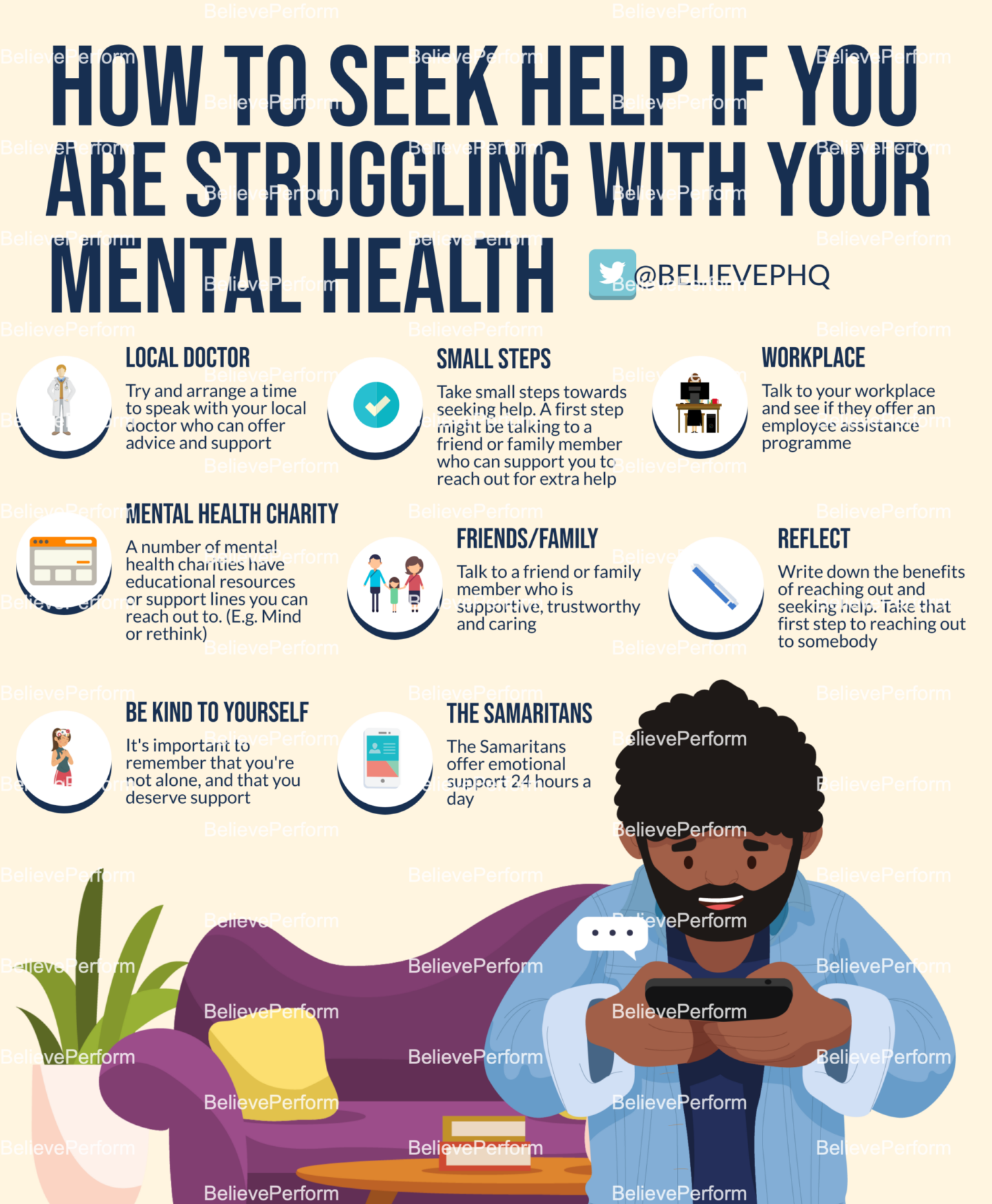
I’ll raise my own hand and say I have my struggle days too. I thank God for the relationship I have with Him and for the friends and family I can lean on. But not everybody has that kind of support. So if you’re reading this and you are Annie, please speak up.
Tell somebody you’re struggling. Talk to a trusted friend or family member. Speak to your doctor. Seek counselling or therapy. Reach out to an appropriate mental-health or crisis service if things have become overwhelming. And if the first person doesn’t understand, tell somebody else.
Please don’t conclude that because one person didn’t hear you, nobody will. You deserve to be heard.
It’s Not Too Late
Perhaps the saddest thing about Annie’s story is that everybody realised afterwards.
Afterwards, they had the words.
Afterwards, they had the time.
Afterwards, they wished they had noticed.
Afterwards, they wanted one more opportunity to tell Annie how much she mattered.
We see a version of this so often on social media. Someone passes away and suddenly a beautiful photograph is everywhere. Tributes pour in. People declare their love, share wonderful memories and write all the things they wish they had said while that person was still here.
And there’s nothing wrong with celebrating someone after they’re gone. But it always makes me wonder: did they know? Did we tell them how much they meant to us while they could still hear it? Did we send the message? Make the call? Give the flowers? Did we notice when they went quiet?
But thankfully, the song doesn’t leave us there. It reminds us that while it was too late for that Annie, there are other Annies all around us — and for them, it isn’t too late.
That, for me, is the call to action.
Look around you. Check on your people. Listen a little longer. Choose your words more carefully. Give that compliment. Make that phone call. Send that message. Be a little more patient. Don’t wait until they’re gone to declare your love and affection. Tell them now.
I know we all have our own burdens. Life is busy and sometimes we are simply trying to keep our own heads above water. But even in the midst of our own struggles, let’s try to extend a little grace to others. We may not know what they’re carrying.
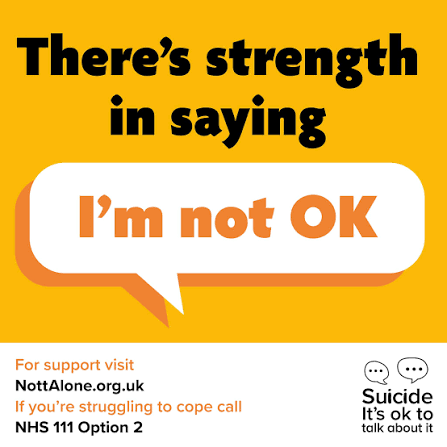
And when somebody tells you they are struggling, believe them. We cannot know what is happening behind every smile. We cannot save everybody. But perhaps we can make it a little easier for somebody to say: “I’m not okay. I need help.”
And perhaps, this time, somebody will be there to hear them. Because Annie isn’t only the girl in a song I learnt more than two decades ago. Annie could be closer than you think
Annie could be your friend.
Annie could be your colleague.
Annie could be your child.
Annie could be the person sitting beside you.
So, as you go about your week, look beyond the smile. Listen beyond “I’m fine.” Be kind without an agenda and love people while they are here to receive it. You never know who needs that little bit of light you carry.
Remember, it’s not too late for Annie. She might just be next to you.
With love,
Aunty Lulu ❤️
Be kind. Pay attention. Check on your people.
❤️ If You Need Help, Please Reach Out
If any part of Annie’s story feels like your story right now, please don’t carry it alone.
Talk to someone you trust. A friend, family member, doctor, counsellor, therapist, faith leader or someone who can simply stay with you while you get the help you need.
If you’re thinking about suicide or feel that you may harm yourself, please seek urgent help now.
In the UK:
You can call Samaritans free on 116 123, 24 hours a day, 365 days a year.
If you are in immediate danger, call 999 or go to your nearest A&E.
In Nigeria:
Please contact your nearest hospital or emergency medical service, or reach out immediately to a trusted person who can stay with you and help you access professional care.
Elsewhere:
Please contact your local emergency service or a recognised suicide/crisis support service in your country.
And please remember: if the first person you speak to doesn’t understand, tell somebody else.
Keep speaking until somebody hears you.
You don’t have to explain everything perfectly. You can simply start with:
“I’m struggling, and I need someone to stay with me and help me get support.”
Please reach out. ❤️
If This Spoke to You…
In the Waiting Room of God: Where Patience Becomes Promise


Beautiful insights share @~Aunty Lulu
You captured my sentiments exactly
I’ll add: in this “My life is sooooo busy, you don’t have a clue of my responsibilities, you don’t have much on your plate hence the time to tell others what to do with their own time, mind your business+face your lane” economy…
I can tell you for sure there are many Annies lurking under the radar, masking their struggles in broad daylight , conflicted in their lives of inner quiet desperation, but for the grace of God,keeping them from adding to the body count that mental health struggles is piling on these days…
I could write a book from personal experience, tbh..
My holdback factors (to seeking help)were the sheer sense of *self inflicted self punishment(after all I was supposed to be strong and bounce back no matter what), not being taken seriously (due to the previously unapproachable , vulnerability-hiding persona I’d crafted-literally had a friend saying: You that you’re the encourager of life, it’s just a dip that you’ll come out of..)
the insinuation of being a burden because Yes.at some point in the struggle I accepted being a victim,and some people dreaded me like a plague…this particular nuance of the experience made me understand the real life meaning of the scripture in the book of Isaiah 42:3 *A bruised reed He will not break * for me this was
1. personally and deeply understanding in my soul, that there’s no shame in a temporary loss of perspective which leads to a blurring of a sense of identity,
2. the blessing of having friendship that embodies this verse,
3. and remembering to pay the graciousness forward after I’d passed through that ‘feeling victimised’ phase by strengthening others(not chastising, or tough loving at all costs because I’m being a truth teller) and mirroring Christ’s gentle care, deep compassion for weak or hurting people.
4. And holding firm faith that any loss incurred in that period when balls dropped, would be made back up to me by God in other ways..
PS: the insinuation of this ‘struggling people are a burden” stereotype often isn’t directly expressed in conversation…it’s also drawn from the observation of how others react to struggling folks’ pitfalls, sequelae/consequences, or how they recite their own strong beliefs of how people should navigate sticky life patches, as facts, etc
I’ve learned:It’s entirely possible to speak truth in a way that’s digestible to the ears of hurting hearts, while holding space for people to realise the life lessons themselves , and for you to exercise the restraint to say ‘I told you so’
A precious,Big Sister friend of mine showed me this in real time, and I’m eternally grateful to God for having her in my circle.. she cushioned the very painful truth amidst the reminders of who she knows me to be, what I am capable of, who I’ve been to her-yet delivered the painful reality of choosing to stay stuck(which by the way I knew deep down ,but struggled to accept..)and the different scenarios that could play out from that choice.
Thank you so much for your comment, it’s a full blog post on its own and will.be a blessing to so many others. Sometimes it takes reading literature like yours for some people to actually realise that they’re struggling and may need to get help. I look forward to reading your book Dr Y. Thank you ❤️