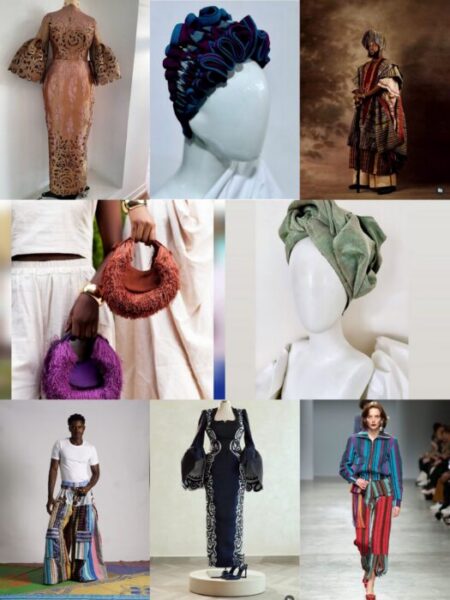
Most of you are probably aware of my love for Aso-oke. And if you didn’t know, well, now you know! 😂
There is something about this beautiful fabric that gets me every time. The texture, the craftsmanship, the colours, the intricate patterns and, most importantly, the rich cultural heritage woven into every strip. Aso-oke is more than just fabric; it is history, identity, artistry and, if you ask me, a rather beautiful expression of Yoruba pride.
For those who may not be familiar with it, Aṣọ Ọ̀kẹ́ is a traditional handwoven textile indigenous to the Yoruba people of South-West Nigeria. It is woven by skilled artisans using traditional techniques and craftsmanship passed down through generations.
Aṣọ Ọ̀kẹ́ comes in different types, each distinguished by its materials, texture, weaving patterns and cultural significance. Some of the well-known types include:
- Sányán: Traditionally woven using wild silk and cotton, Sányán is recognised by its natural, earthy tones and lustrous sheen. It is highly valued and historically regarded as one of the most prestigious types of Aṣọ Ọ̀kẹ́.
- Ẹ̀lẹ́: A popular type of Aṣọ Ọ̀kẹ́ commonly worn for formal occasions and celebrations. It comes in a variety of colours, textures and patterns, making it suitable for different traditional and ceremonial outfits.
- Ìtàn: Often associated with significant celebrations and special occasions, Ìtàn is distinguished by its intricate weaving patterns and the use of supplementary threads, giving the fabric a rich and elaborate appearance.
- Ẹ̀tù: Traditionally associated with deep indigo and dark blue shades, Ẹ̀tù is known for its rich, understated appearance. Its woven patterns and subtle stripes can add texture and detail to the fabric, making it a beautiful choice for those who prefer darker, more understated traditional outfits.
- Àlàárì: Traditionally characterised by rich red, crimson and reddish-pink shades, Àlàárì is often associated with ceremonial dressing and striking traditional outfits. Its vibrant colours make it particularly popular for occasions where the fabric is intended to make a statement.
Aso-oke –The Fabric That Refuses to Be Forgotten
Each type of Aṣọ Ọ̀kẹ́ has its own distinctive characteristics and appeal. However, contemporary interpretations have introduced variations in colours, textures and weaving techniques. As a result, when purchasing Aṣọ Ọ̀kẹ́, it is worth paying attention to the actual fabric, its composition, weave and finish rather than relying solely on the name given by the seller.
Historically, Aṣọ Ọ̀kẹ́ was a symbol of prestige, wealth and social standing. It was particularly associated with royalty, chiefs and the affluent. Over time, however, its use became more widespread, extending beyond the upper classes to become an important part of Yoruba cultural dressing. Despite this wider adoption, it retained its special status as a fabric closely associated with important occasions.
Think traditional weddings, chieftaincy ceremonies, festivals, coronations, naming ceremonies and other grand celebrations. Aṣọ Ọ̀kẹ́ was the fabric you brought out when the occasion called for something special. It wasn’t exactly your everyday errand-running outfit!
However, as Western styles of dressing became increasingly popular in Nigeria, traditional textiles gradually took a back seat in everyday fashion. Aṣọ Ọ̀kẹ́, in particular, became more closely associated with ceremonial dressing. It was something you wore when there was a special occasion to attend, rather than a fabric you casually incorporated into your everyday wardrobe.
And so, despite its rich history, cultural significance and remarkable craftsmanship, Aṣọ Ọ̀kẹ́ seemed destined to remain largely confined to special occasions.
Until the African fashion awakening!
Like a phoenix rising from the ashes, Aṣọ Ọ̀kẹ́ began to reclaim its place in contemporary fashion. Designers, creatives and fashion enthusiasts started looking at this traditional textile through a fresh lens, finding new and exciting ways to incorporate it into modern wardrobes.
And what a comeback it has been!
The Bridal Revolution
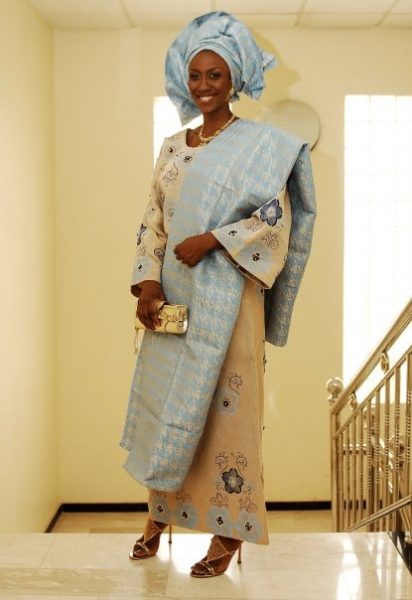

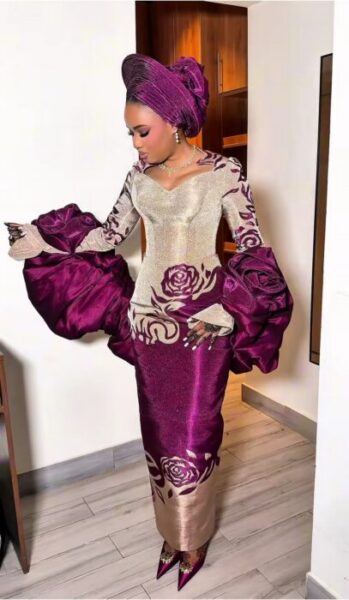
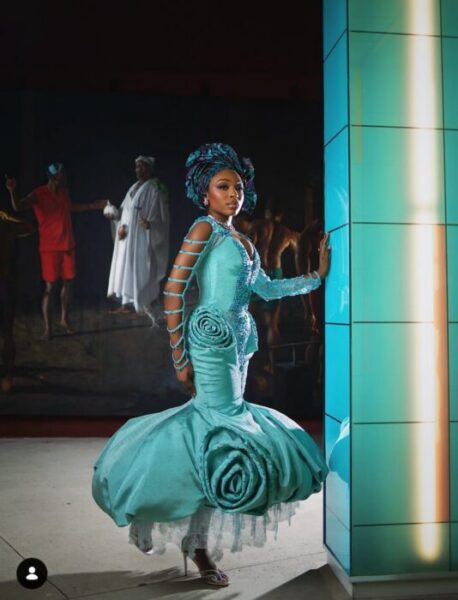
For me, one of the major game changers was the creativity that began to emerge from our Aso-oke suppliers and designers, particularly in the bridal space.
Traditional engagement outfits have always been an important part of Yoruba weddings, but suddenly, the possibilities became much more exciting. Aso-oke was no longer just about choosing a colour and coordinating the gele, iro and buba. The fabric itself was evolving.
We began seeing beautiful silk Aso-oke, painted designs, intricate patterns, unusual colour combinations and increasingly sophisticated finishes.
Houses such as Tisbee, Bisbod, Iya ibeta and others began pushing creative boundaries, producing exquisite fabrics that made brides look forward to their traditional engagement outfits almost as much as the wedding itself.
The creativity was infectious. Brides wanted something distinctive, something personal, something that would make a statement. And Aso-oke was delivering!
Enters Deola Sagoe: Aso-oke on Steroids!
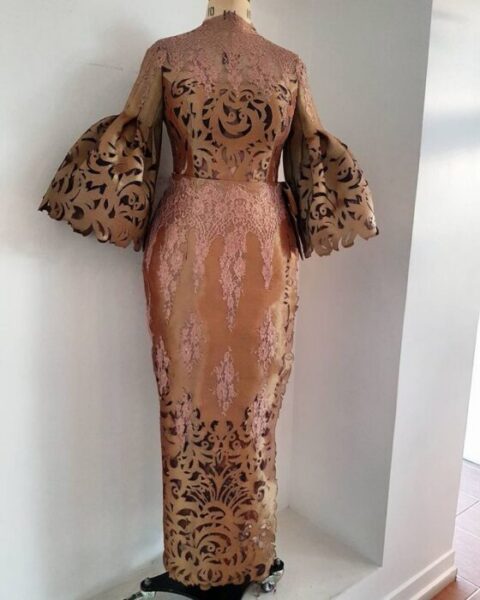
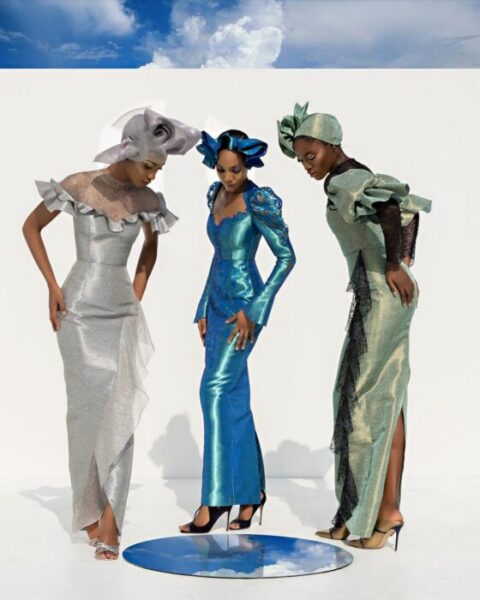
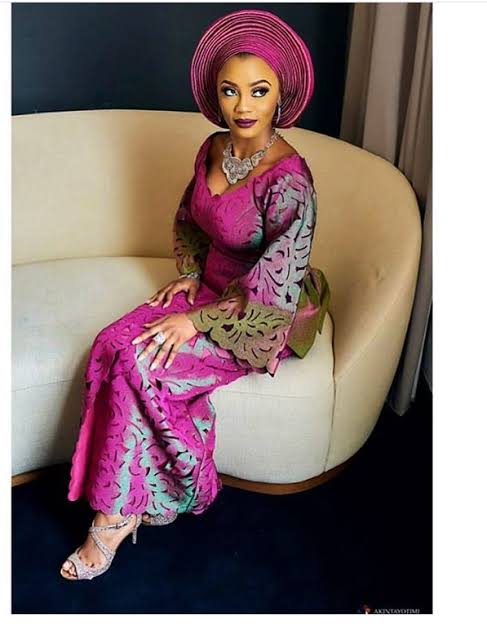
Then came the incredible Deola Sagoe and her contribution to the Aso-oke renaissance.
Her use of Aso-oke, particularly through her innovative interpretation of the Komole silhouette, was nothing short of magical. It was sophisticated, daring, beautifully executed and a wonderful demonstration of what happens when heritage meets high fashion.
What made her work particularly remarkable was the creativity and innovation behind the fabrics themselves. Her upscale occasion wear featured beautiful combinations of laser-cut lace and her perfected Komole fabric, an innovative weave of Aso-oke shot through with silk. The result was a luxurious, contemporary interpretation of a traditional textile, with craftsmanship that was simply exceptional.
It was Aso-oke on steroids! Aso-oke that had gone to Harvard! 😂
Seriously, the creativity was outstanding. She took a fabric deeply rooted in Yoruba tradition and presented it in a way that could comfortably command attention on the international fashion stage.
Who Says You Can’t Teach an Old Thread New Tricks?
While Deola Sagoe may have since stepped away from the bridal fashion scene, her legacy certainly lives on. She helped open up a world of possibilities, and today’s designers are continuing to build on that foundation.
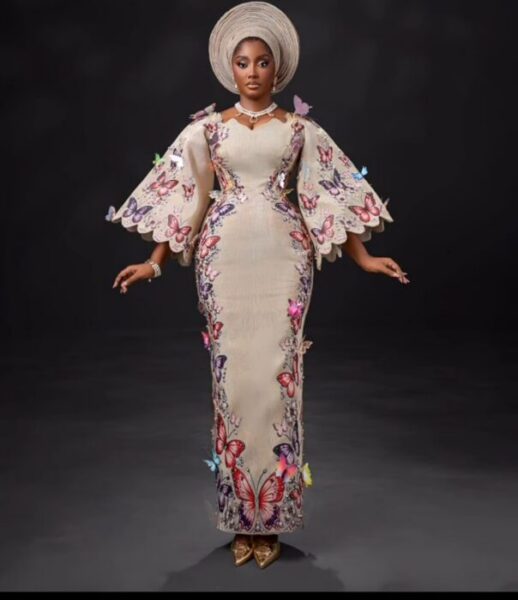
Fashion houses such as Tabik Couture and House of Mazelle Studio are keeping the couture magic alive, pushing the boundaries of Aso-oke bridal fashion with exquisite designs, intricate detailing and beautiful craftsmanship. They have certainly given brides even more reason to look forward to their Aso-oke wedding experience.
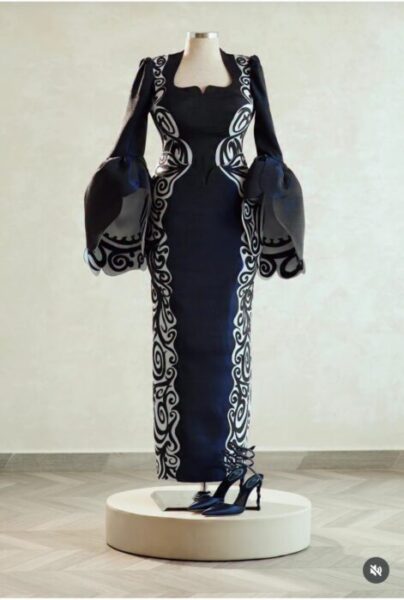
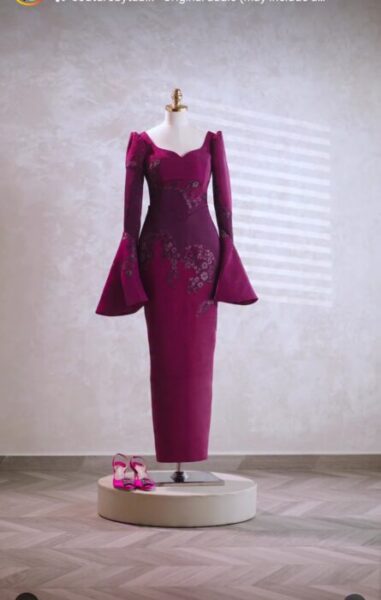
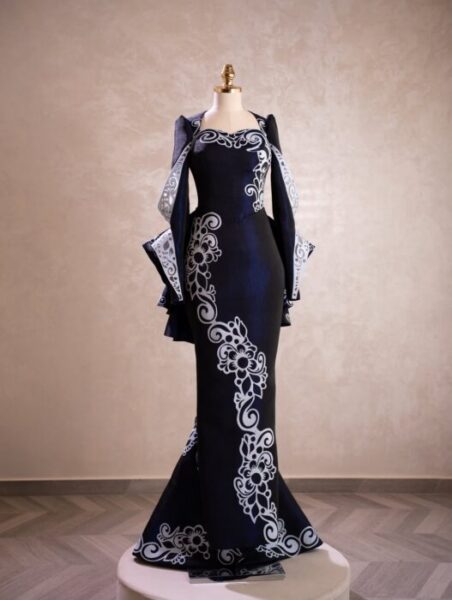
These days, choosing your engagement Aso-oke is almost an event in itself! Brides are not just picking a fabric; they are anticipating an entire couture experience. And honestly, who can blame them?
And the beauty of it was that Aso-oke is no longer attracting only Yoruba brides. Women from other Nigerian ethnic groups, and even other African countries, began embracing it for their traditional celebrations.
That, to me, was particularly exciting. A fabric with such a strong cultural identity was finding appreciation beyond its traditional boundaries without losing what made it special.
From Ceremonial to Contemporary: The Designers Changed the Game
Just when we thought Aso-oke was enjoying enough attention, some incredibly creative designers decided that it was time to take things a step further.
They began challenging the idea that Aso-oke had to be reserved for weddings and special occasions.
Designers such as Kenneth Ize started showcasing the versatility of this traditional textile in contemporary fashion. Through beautifully constructed pieces, including colourful jackets, blazers, trousers and coordinated sets, Aso-oke began finding its way into modern wardrobes.
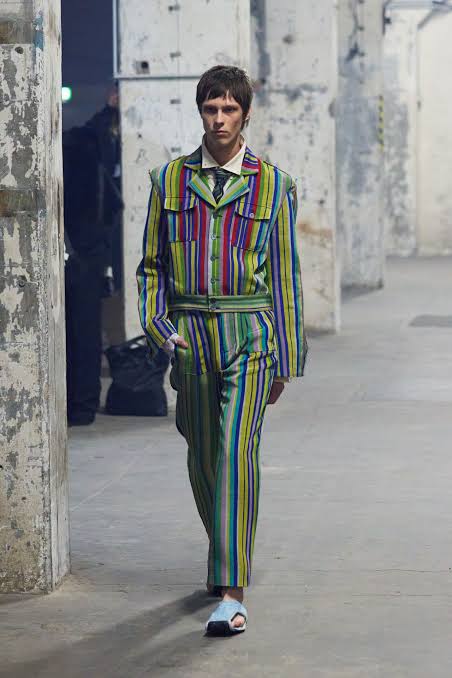
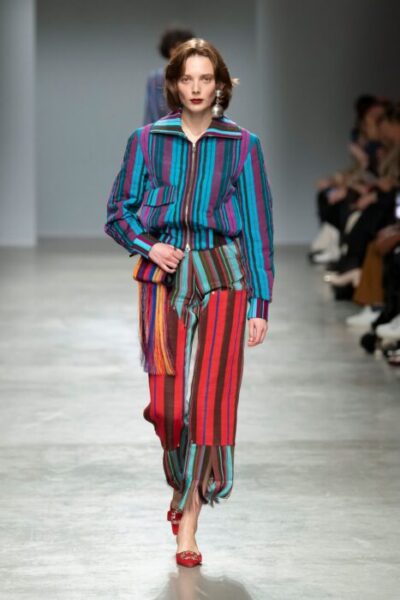
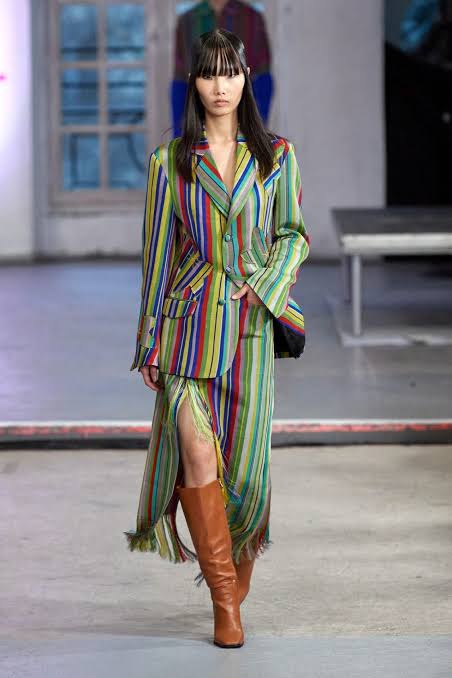
Of course, some of these early contemporary interpretations still had a rather dressed-up feel to them. But the important thing was that the conversation had changed. Aso-oke was no longer confined to the traditional iro, buba and agbada. It could be fashionable, experimental, international and unapologetically modern.
The Streetwear Takeover: Aso-oke Goes Casual
And then came the next phase of its evolution: ready-to-wear and streetwear.
Suddenly, we were seeing Aso-oke in wide-leg trousers, cargo pants, barrel-leg trousers, shorts, skirts, jackets, and all sorts of contemporary silhouettes.
Designers were mixing textures, playing with proportions and combining traditional weaving with modern tailoring. Aso-oke was becoming something you could wear to lunch, a casual outing, a fashion event or even just because you felt like looking fabulous.
And it doesn’t stop at clothing! Aso-oke has also found its way into accessories, with designers incorporating it into beautiful handbags, clutches, purses, headbands, turbans and other accessories. From statement bags to beautifully crafted head pieces, the fabric is proving that it can accessorize just as effortlessly as it dresses.
Who knew we could have an entire Aso-oke contemporary ensemble, right down to the finishing touches. ☺️
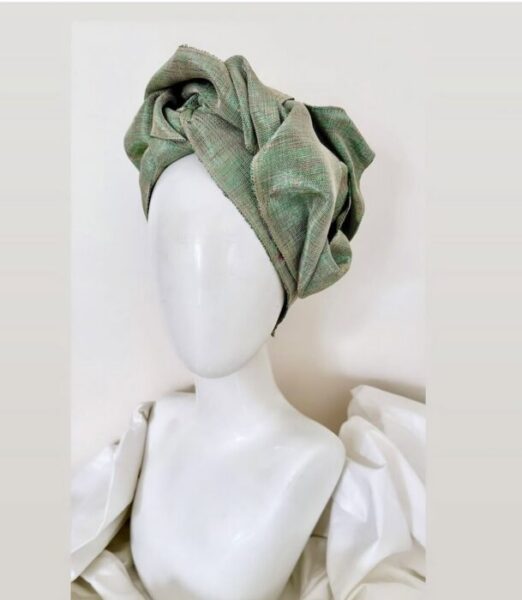
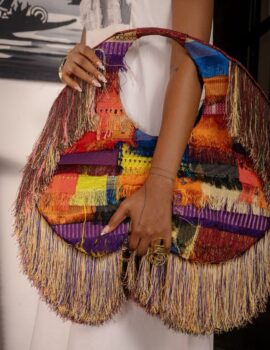
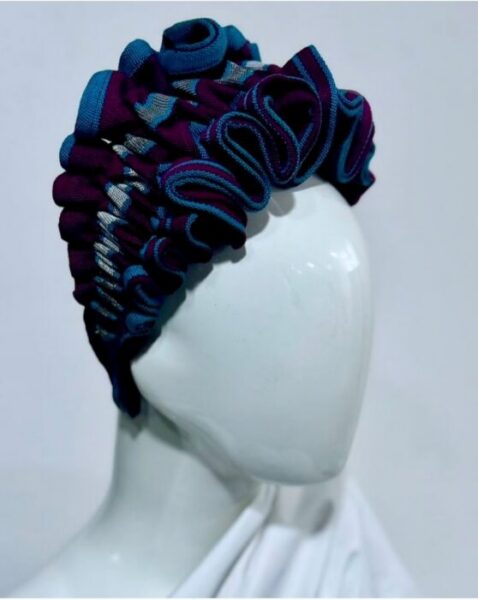
Who knew this traditional fabric could be so versatile? From weddings and grand ceremonies to casual outings and everyday fashion, Aso-oke was proving that it could do so much more than we had traditionally given it credit for.
Now, that is what I call a transformation!”
From Grandma’s Trunk to Fashion’s Front Row – An indigenous Yoruba textile gets a fashionable makeover, and trust me, she’s not here to play!
Imagine a fabric that was once brought out mainly for weddings and grand occasions becoming a staple in contemporary wardrobes. Who would have thought?
A Win for Our Weavers and Local Industry
Beyond the fashion statements and the beautiful outfits, there is another side to this rejuvenation that I find particularly encouraging.
Our local weavers!
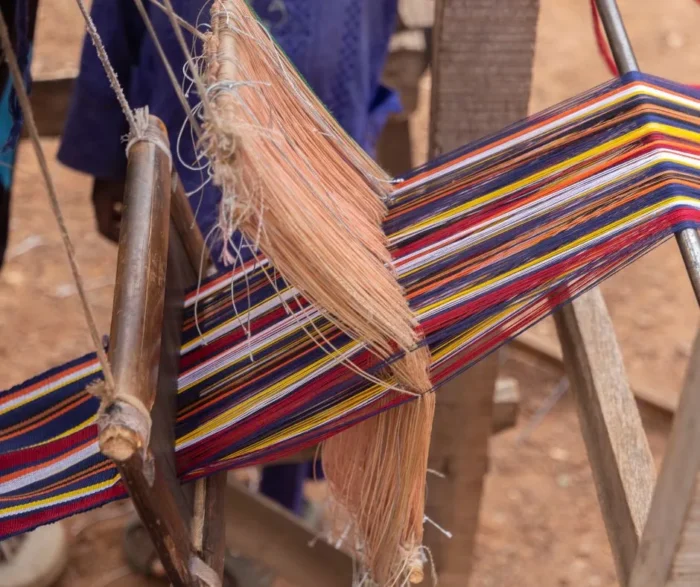
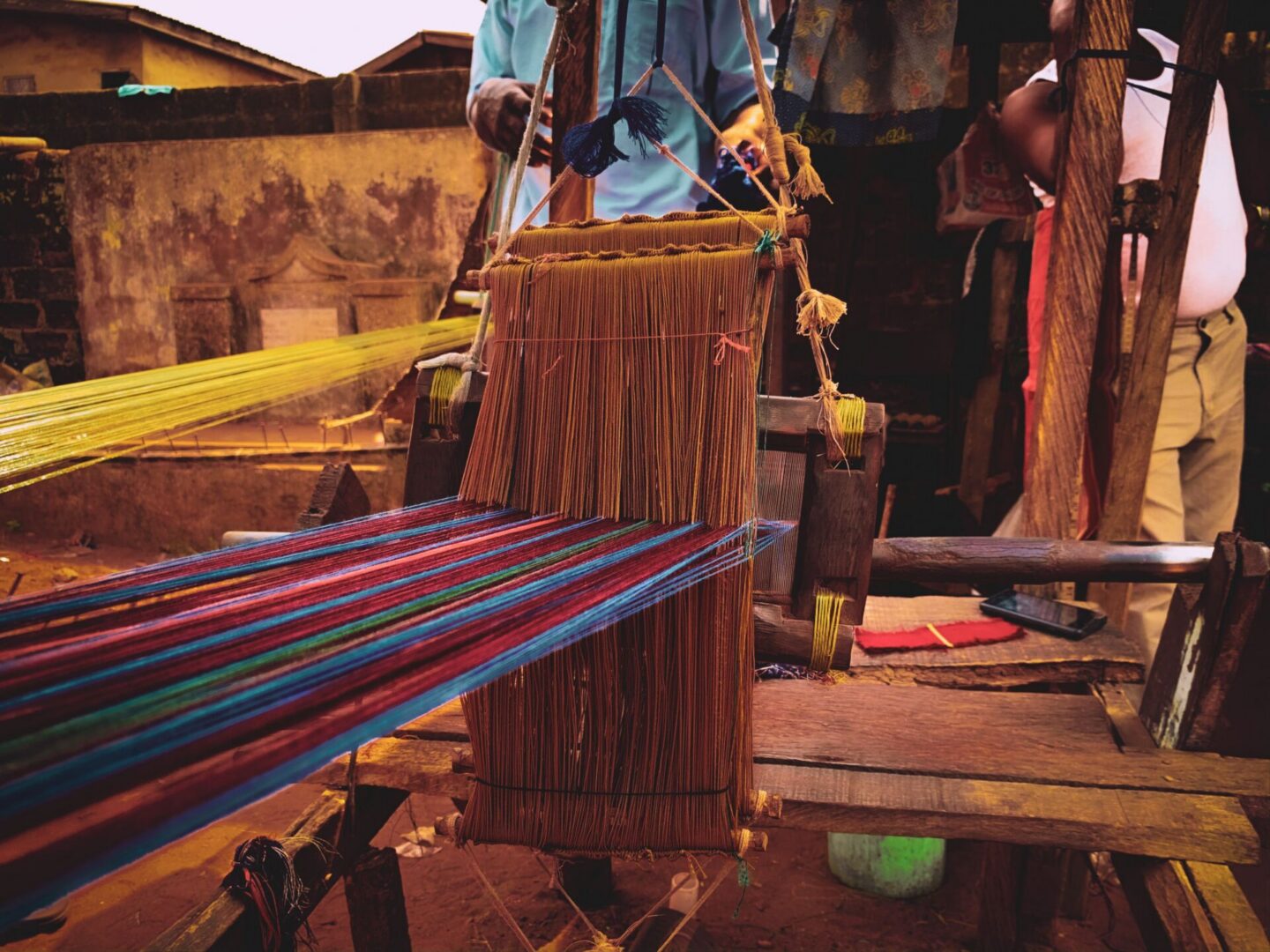
It is easy to admire the finished product without fully appreciating the amount of work that goes into producing it. Aso-oke is not mass-produced fabric that simply rolls off an industrial production line. It requires skill, patience, precision and an incredible understanding of the weaving process.
The traditional production process involves preparing the threads, dyeing, weaving and carefully creating the desired patterns. It is a craft that requires expertise, and the time involved depends on the complexity of the design and the quantity required.
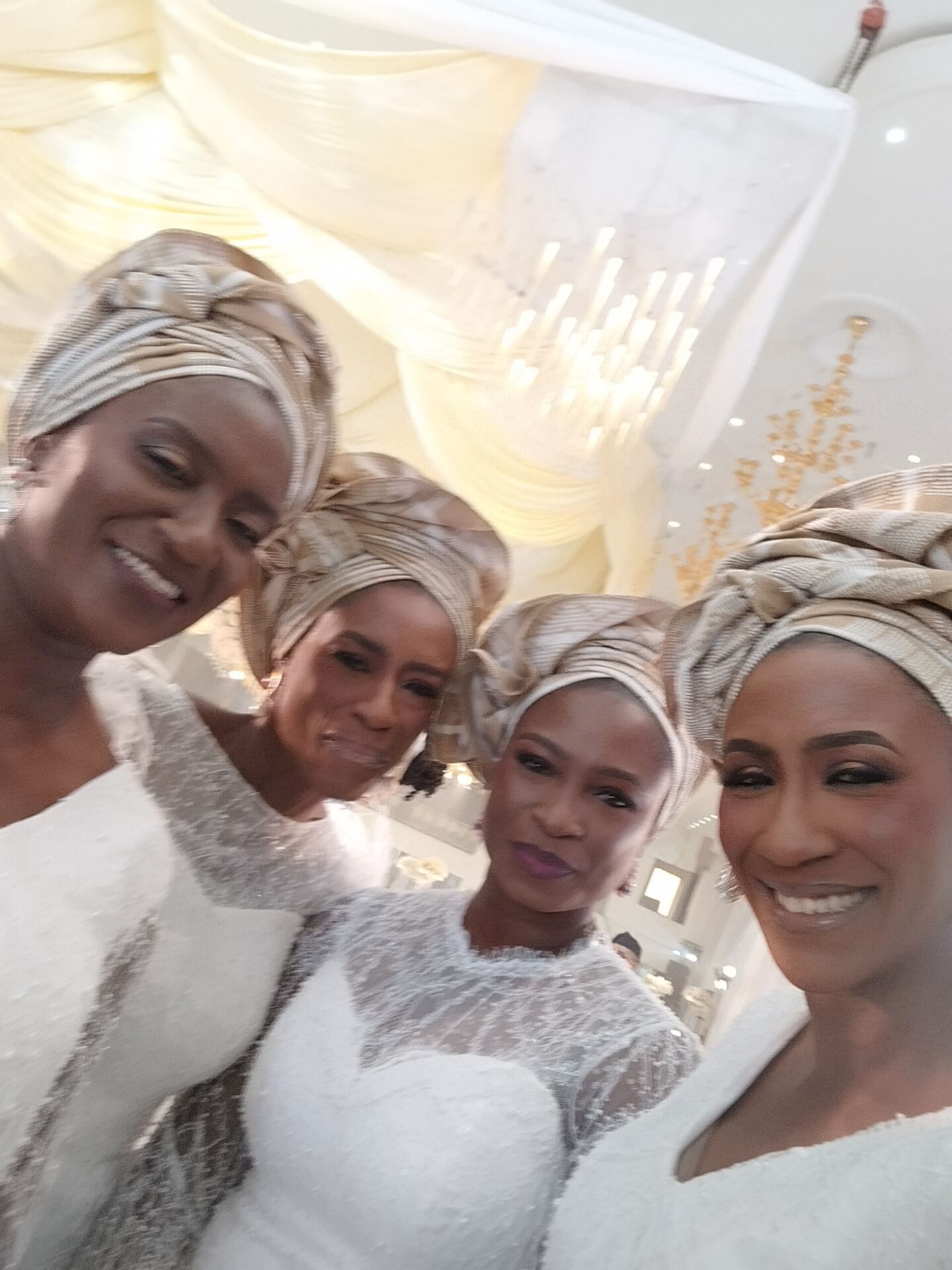
Interestingly, we experienced this firsthand when we needed Aso-oke for my dad’s burial. We had to place our order approximately three to four months in advance to give the suppliers and weavers enough time to meet our requirements.
And this was not simply a case of suppliers being difficult to reach or trying to keep customers waiting. There is a genuine production process involved.
The weather can also affect production, particularly during the rainy season, when certain aspects of the traditional dyeing and drying processes become more challenging.
With the growing demand for Aso-oke, our weavers are having to work harder to meet orders. While this is a wonderful problem to have, it also highlights the need to invest in the people and skills responsible for keeping this craft alive.
We cannot celebrate the finished products and forget the hands that create them.
There is an opportunity here to create more sustainable livelihoods, encourage younger generations to learn the craft, invest in better production facilities and ensure that our indigenous textile industry benefits from the growing global interest in African fashion.
After all, cultural appreciation should translate into economic opportunities for the people who preserve that culture.
Heritage Meets Innovation
One of the things I find most exciting about the Aso-oke renaissance is that it demonstrates how we can preserve our cultural heritage without being trapped in the past.
Tradition does not have to mean stagnation. And that is precisely what is happening.
Our designers are experimenting, our weavers are creating, and fashion lovers are embracing the possibilities. Aso-oke has moved from being the fabric you patiently waited to wear at your next traditional wedding to something you can confidently rock to lunch, a fashion event or simply because you woke up feeling fabulous!
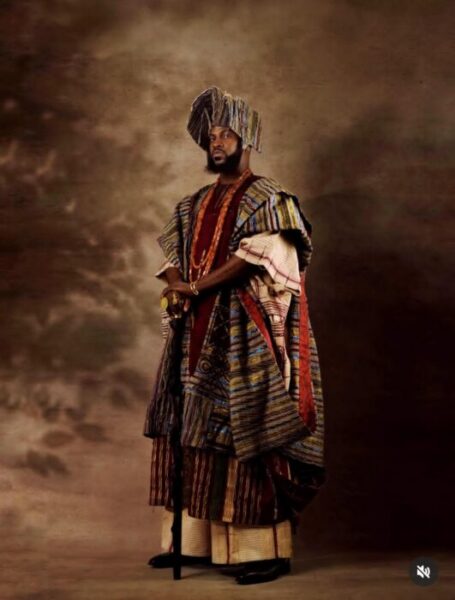
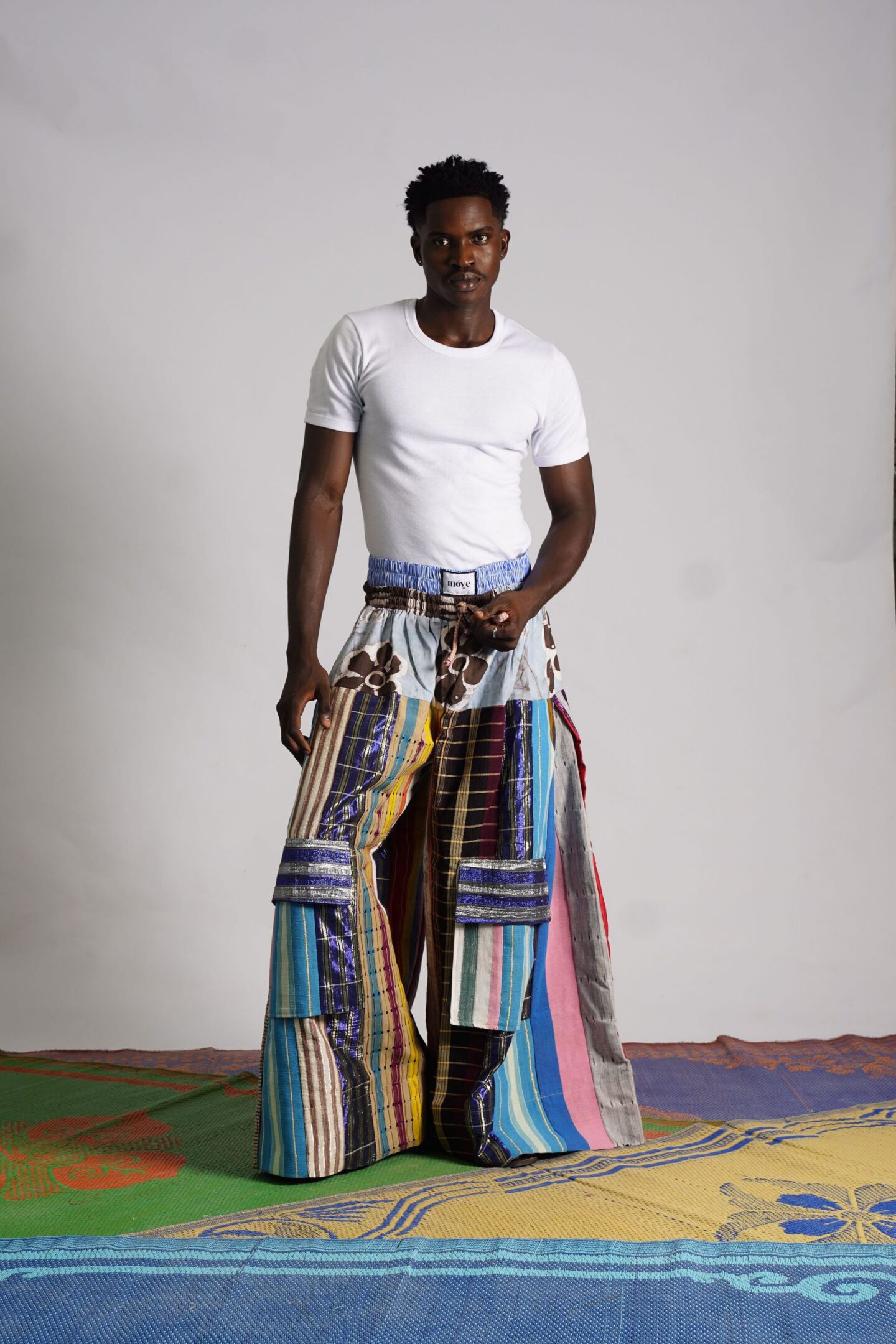
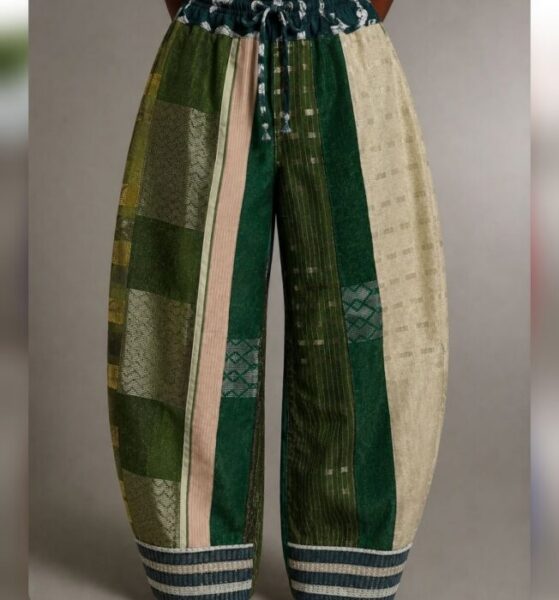
Aso-oke Is Outside, and She’s Not Coming Back In! 😂
Aso-oke is showing us that Tradition and innovation can coexist beautifully. We can honour the craftsmanship of our forefathers while allowing a new generation of creatives to reinterpret it for the world to enjoy.
And what a beautiful job they are doing!
Personally, I couldn’t be happier. Anyone who knows me knows that I have a soft spot for this fabric, so seeing it enjoy this level of attention is music to my fashion-loving ears. And with the beautiful contemporary pieces designers are churning out, my wardrobe may soon need to have a serious conversation with me. 😂
But jokes aside, I hope this is more than just another fashion moment. I hope the renewed interest translates into sustainable opportunities for our local weavers, encourages younger generations to embrace the craft and inspires greater investment in our indigenous textile industry.
I also hope we continue to tell the stories behind these beautiful fabrics. Because every strip of Aso-oke represents more than colour and texture; it carries craftsmanship, culture, identity and generations of knowledge.
We must celebrate the designers who are pushing boundaries, but we must never forget the weavers whose hands bring these creative visions to life.
Aso-oke has reminded us that sometimes, the next big thing is not necessarily something new. Sometimes, it is something old that simply needs to be seen through a new lens.
So, to our creative designers, innovative weavers and everyone championing Nigerian fashion, I say bravo!
And to my beloved Aso-oke, keep doing your thing. From royal wardrobes to international runways and now everyday fashion, you’ve certainly come a long way.
May your threads continue to weave stories, celebrate our heritage and conquer wardrobes across the world.
Long may you reign!
Keep being Fabolous, my people. Wear your heritage with pride, and remember, there’s always room for one more Aso-oke in your wardrobe! 😉
Aunty Lulu
Still in a fashion mood?
Iro and buba – A National Treasure
The Changing Face of Fashion Professions and the Rise of the Modern Stylist


