
You Are What You Eat
The things you consume today are shaping the person you become tomorrow.
Have you ever heard the phrase, “You are what you eat”? I bet you have. Most of us have come across this saying, but rarely do we stop to consider its full meaning.
The phrase is actually quite literal—you are indeed what you eat. The food we consume becomes the building blocks of our cells, tissues, and energy systems. Simply put, the nutrition we provide our bodies with directly influences how we feel, think, and function.
I remember a television programme with that very title, where experts would analyse participants’ eating habits and identify the problem areas in their diets. The aim was to show how the foods they consumed were directly affecting their health and wellbeing.
There is another popular saying that ties closely to this idea: “What you sow is what you reap.” You cannot plant oranges and expect to harvest grapes; it is impossible. In the same way, you cannot consistently consume unhealthy food and expect your body to reflect good health.
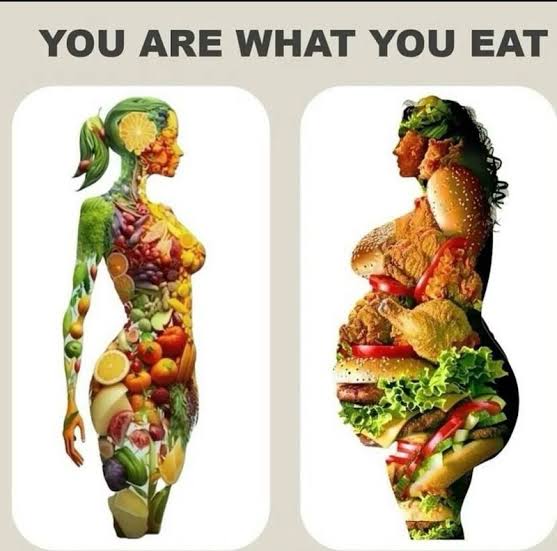
What we take in will, sooner or later, reveal itself in the results we see. The things we consume today play a significant role in shaping the bodies we live in tomorrow.
However, this principle goes beyond food. Mentally, physically, emotionally, and spiritually, you are also what you consume.
What Are You Feeding Your Soul?
Your soul needs nourishment just as much as your body does. What are you feeding it?
What you feed your soul determines the output. When you fail to feed it, it becomes empty, with little or nothing to offer. Just as your body loses strength when it is deprived of food, your soul becomes weak when it is starved of the things that sustain it.
Many of us pray for wisdom. We want to be wise like Solomon, so we ask God for wisdom. Yet wisdom does not simply descend upon us magically. It comes as we open our minds through study, reading, learning, listening, and engaging with things that stimulate and elevate our thinking.
“Wisdom is the principal thing; therefore get wisdom. And in all your getting, get understanding.”
Proverbs 4:7
The Bible says, “Get wisdom, and with all your getting, get understanding.” Notice the word get. There is effort involved. To get something, you must seek it. You must pursue it.
An Idle Mind Is the Devil’s Workshop
We have all heard the saying, “An idle mind is the devil’s workshop.” It is highly relevant to this discussion.
When the mind and soul are not nourished with positive and life-giving things, something else will occupy them. The mind was never designed to remain empty. Just as the body cannot survive without food, the mind cannot thrive without healthy input.
If we do not intentionally fill our minds with things that build us up, negative influences will gladly take their place. Before long, unhealthy thoughts, destructive habits, and harmful influences begin to take root.
Nature Hates a Vacuum
Have you ever left a container empty and uncovered? I bet that when you return to it a few days or weeks later, you’ll discover that it has found new occupants. If an insect hasn’t decided to make it a home, you’ll probably find it covered in dust, cobwebs, leaves, or other debris.
What ends up inside that container often depends on where it was left. The environment determines what eventually fills the empty space.
The same is true of our lives.
Our minds and hearts were never designed to remain empty. If we do not intentionally fill them with truth, wisdom, and things that edify us, something else will eventually take their place.
Our environment also matters. The places we spend time, the people we surround ourselves with, the conversations we entertain, the music we listen to, and the content we consume all leave an imprint on us. They influence what enters our hearts and shapes our thinking.
Even an abandoned building does not remain empty forever. Before long, it attracts stray animals, squatters, or becomes overgrown and neglected.
The lesson is simple: emptiness never stays empty for long.
If we do not intentionally occupy our minds and hearts with what is good, they will eventually be occupied by whatever our environment offers.
Weeds Grow Faster
This truth was reinforced during one of my regular morning walks with my husband.
As we walked along a familiar path, I noticed a tall thistle growing by the side of the road, obstructing ourway, we had to duck to get through. It immediately caught my attention because I was certain it had not been there just two days earlier when we had taken the same route.
I mentioned it to my husband, and he casually replied that thistles and weeds spread and grow very quickly. That simple comment stayed with me long after our walk was over.
In nature, weeds often grow faster than the crops and herbs we intentionally plant. Left unchecked, they spread rapidly, stealing nutrients and choking the life out of healthy plants.
Life can be very similar.
Wisdom Knows When to Walk Away
Negative habits, harmful influences, unhealthy thought patterns, and destructive behaviours often take root much more easily than virtues such as discipline, kindness, patience, wisdom, and self-control. Good character requires cultivation, but weeds seem to grow all by themselves.
That is why we must be watchful about what we ingest and the habits we cultivate.
The Bible says in Proverbs 4:23, “Keep your heart with all diligence, For out of it spring the issues of life.” If we are not careful about what enters our hearts and minds, we may eventually find ourselves nurturing weeds instead of fruit.
A recent experience reminded me of this truth. There was a television series that seemed to be everywhere. Social media was full of discussions about it, and curiosity got the better of me. I decided to give it a chance.
Within minutes of the first episode, I sensed that it was not right for me. Still, I persevered and continued watching. By the time the episode ended, I knew it would be wise not to continue.
I was not learning anything meaningful from it. Instead, I found that it was stirring emotions and thoughts that did not benefit me in any way.

As I have grown older, I have come to realise that not everything deserves my attention simply because it is popular. Some things add value to our lives, while others quietly drain us, distract us, or influence us in ways we do not immediately recognise.
Wisdom is not only knowing what to take in; it is also knowing what to walk away from.
This is why we must be intentional about what we consume—not just physically, but mentally and spiritually as well. We need to stay away from things that do not edify.
What’s Feeding You… and What’s Choking You?
When the body is out of shape or not functioning as it should, people often go on a diet. Sometimes it is medically recommended, and other times it is a personal choice. Either way, the goal is the same: to remove what is harmful and introduce what is beneficial so that the body can function properly.
The same principle applies in a garden.
Gardeners and farmers must regularly weed their gardens and fields to prevent weeds from overtaking their crops. Left unattended, weeds can spread rapidly, competing for nutrients, blocking sunlight, and ultimately suffocating healthy plants.
Our homes are no different. Every so often, we undertake a spring clean. We declutter cupboards, clear out unwanted items, and create space for what truly matters. The result is a cleaner, healthier, and more functional environment.
Perhaps our minds and souls need the same treatment.
From time to time, we need to pause and conduct a spiritual spring clean. We need to identify the clutter that has accumulated over time—the negative thoughts, unhealthy habits, distractions, grudges, fears, and influences that prevent us from becoming who God has called us to be.
Just as a garden cannot flourish when it is overrun with weeds, neither can a life that is crowded with things that do not serve God’s purpose.
Sometimes growth is not about adding more; it is about removing what should not be there in the first place.
Perhaps the question is not only, “What am I feeding myself?” but also, “What do I need to uproot?”
A healthy soul requires both nourishment and pruning.
What Are You Cultivating?
Every day, we are feeding ourselves something. The question is: what are we consuming?
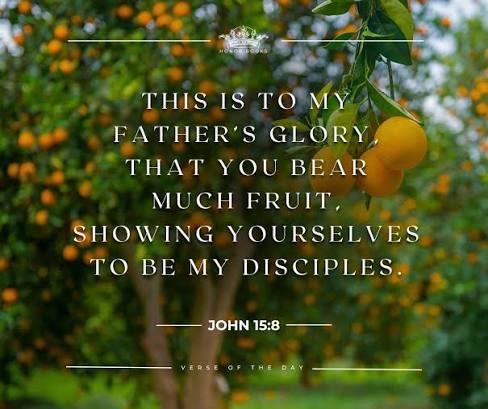
The books we read, the conversations we entertain, the content we watch, the music we listen to, the people we surround ourselves with, and the thoughts we dwell on are all forms of nourishment.
If we want healthy lives, fruitful minds, and strong spirits, we must be deliberate about what we feed our bodies, minds, and souls.
The truth is that whatever we consistently consume eventually shapes our character, influences our decisions, and determines the direction of our lives.
So, take a moment to examine your diet—not just your physical diet, but your mental, emotional, and spiritual diet as well. Pull out the weeds, clear the cobwebs, and start feeding yourself with the things that will nourish your mind, strengthen your spirit, and bear good fruit in your life.
After all, you truly are what you eat.
“Finally, brothers and sisters, whatever is true, whatever is noble, whatever is right, whatever is pure, whatever is lovely, whatever is admirable—if anything is excellent or praiseworthy—think about such things.”
Philippians 4:8
Now, my people, it’s time to do a little gardening. Take a look around your life and ask yourself: what needs watering, and what needs weeding?
Until next time,
Aunty Lulu ❤️
Recommended
When Consistency Feels Like It’s Not Working


