Before We Cast Our Votes: Do We Really Understand the Job?
The Kwara Political Watch – Legislative Edition
We’ve had our say about those eyeing Government House in our dear Kwara and their running mates. Now it’s time to move from Government House to the chambers of our legislature.
This time, we’re looking at those seeking our votes to represent us in the Senate, the House of Representatives and the Kwara State House of Assembly. For this, I will be focusing on my own constituency because, you know, charity begins at home! 😉
However, before I start examining the contestants, their credentials, political journeys, strengths, weaknesses and, of course, what they bring to the table, I think it is important that we establish something first.
What exactly are we electing these people to do?
A lot of us know that we have representatives in the Senate, the House of Representatives and the State House of Assembly. We also know that these people are lawmakers. But I suspect that many people do not fully appreciate the intricacies of these offices and the responsibilities that come with them.
There is considerably more to being a legislator than sitting in a chamber, debating bills, raising motions, making speeches and occasionally appearing on television.
In fact, lawmaking is only one part of the job. Representation, oversight, accountability and influencing policies that affect the lives of ordinary citizens are equally important aspects of legislative responsibility.
So, before we start discussing who deserves our votes, let’s have a little civic education. After all, it helps to know what the job entails before deciding who is qualified to do it!
1. The Senate – Representing the interests of your Senatorial District
Let’s start with the big one!
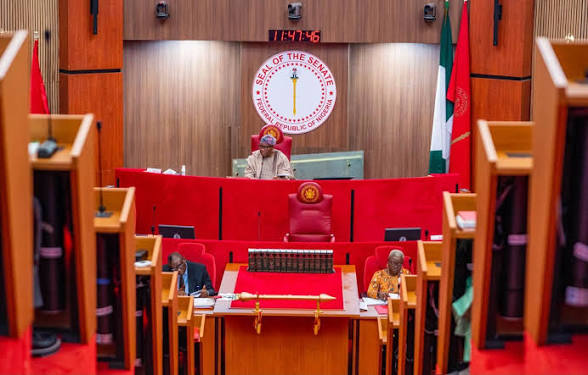
Nigeria operates a bicameral legislature at the federal level. This simply means that our National Assembly has two chambers: the Senate (the Red Chamber) and the House of Representatives (the Green Chamber).
The Senate has 109 members: three Senators from each of the 36 states and one representing the Federal Capital Territory.
A Senator represents an entire Senatorial District, which comprises several local government areas.
In Kwara, for instance, we have three Senatorial Districts:
- Kwara South
- Kwara North
- Kwara Central
Each district elects one Senator to represent its interests at the National Assembly in Abuja.
So, what exactly does a Senator do?
a. Lawmaking: Senators consider, debate, amend and pass bills on matters within the legislative competence of the Federal Government. These include areas such as defence, immigration, currency, foreign affairs and other matters assigned to the federal legislature by the Constitution.
b. Representation: This is particularly important. A Senator is expected to represent the interests, concerns and aspirations of the people in their district. This means taking the issues affecting their constituents to the national stage, advocating for policies that benefit them and ensuring that their voices are heard in decisions that affect the country.
c. Oversight and accountability: Senators monitor the activities of federal ministries, departments, agencies and public institutions. Through committee work, investigations, hearings and other oversight activities, they are expected to scrutinise how public resources are being used and hold the relevant authorities accountable.
d. Budget and national policy: Senators participate in considering and passing the Federal Government’s annual budget and scrutinising national policies. They can influence how national priorities are shaped and how resources are allocated.
e. Confirmation of appointments: The Senate has an important constitutional role in considering and confirming certain appointments made by the President, including ministerial nominees, ambassadors and specified public office holders.
In other words, a Senator is not simply someone who goes to Abuja to represent their political party or enjoy the privileges that come with the office. They have a responsibility to ensure that the interests of their constituents are not forgotten in national conversations and decisions.
2. The House of Representatives – Representing your Federal Constituency
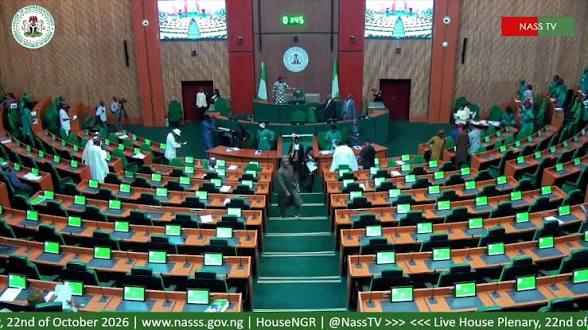
The House of Representatives is the other chamber of the National Assembly. It has 360 members elected from Federal Constituencies across Nigeria.
Unlike a Senator, who represents an entire Senatorial District, a member of the House of Representatives represents a Federal Constituency, which is a smaller electoral area within a state.
Their responsibilities are broadly similar to those of Senators, although the two chambers have some distinct constitutional functions.
These include:
a. Lawmaking: Members consider, debate, amend and pass bills on federal matters, just as Senators do. For a bill to become law, it generally needs to be passed by both chambers and assented to by the President, subject to the constitutional provisions for overriding a veto.
b. Representation: They are expected to take the concerns and needs of their Federal Constituencies to the National Assembly. This includes advocating for better infrastructure, education, healthcare, security, employment opportunities and other developmental needs.
c. Oversight: They scrutinise federal ministries, agencies and institutions to ensure that public funds and government programmes are properly managed. They can summon relevant officials, conduct investigations and demand explanations where necessary.
d. Budgetary responsibilities: They participate in considering and passing the national budget, ensuring that federal spending priorities receive legislative scrutiny.
e. Constituency advocacy: They can push for federal government intervention in their constituencies, lobby for projects and draw attention to neglected communities and pressing local needs.
One thing worth noting is that although members of the House of Representatives and Senators both have legislative and oversight responsibilities, the House of Representatives has a distinct constitutional role in initiating impeachment proceedings against the President or Vice-President under the prescribed procedure.
So, while both chambers work together, they are not simply interchangeable offices.
3. The Kwara State House of Assembly – Making Laws for Kwara
Now, let’s bring the conversation home!
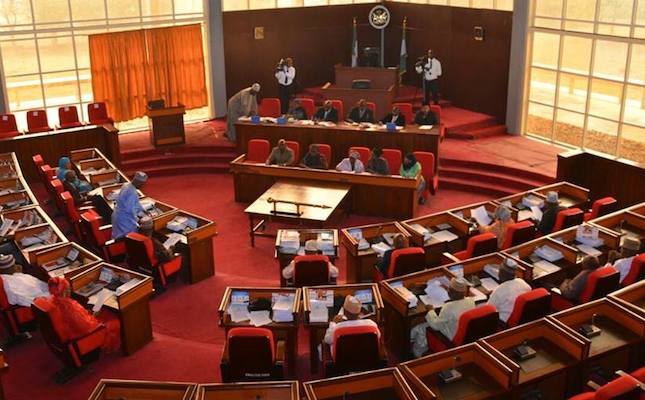
Unlike the Senate and House of Representatives, which operate at the federal level, the Kwara State House of Assembly is responsible for legislative matters concerning Kwara State.
Members are elected from State Constituencies within Kwara, and each member represents the interests of their particular constituency.
Their responsibilities include:
a. State lawmaking: They make laws on matters within the constitutional powers of the state. These include areas such as state administration, public health, aspects of education, agriculture, local government matters and other issues within the state’s legislative jurisdiction.
b. Oversight of the state government: Members monitor the activities of the Governor, state ministries, departments and agencies to ensure that government policies and programmes are implemented properly and public funds are accounted for.
c. Budget approval: They consider, scrutinise, amend where appropriate and pass the annual state budget. This is particularly important because the budget determines how the state’s financial resources are allocated across different sectors and programmes.
d. Representation: A State Assembly member is expected to bring the concerns of their constituency to the attention of the state government. Whether it is a community’s lack of access to clean water, poor roads, inadequate healthcare facilities, schools in need of attention or other local challenges, the representative should be an advocate for their people.
e. Accountability and investigations: The House has constitutional powers to investigate matters within its legislative competence and examine the administration and expenditure of public funds.
In simple terms, our State Assembly members are expected to help ensure that the Kwara State Government works in the interest of the people.
And yes, they have an important role in scrutinising the activities of the Governor and the state executive. They are not supposed to be cheerleaders for the government simply because they belong to the same political party!
Representation Should Work for the People: A Personal Experience
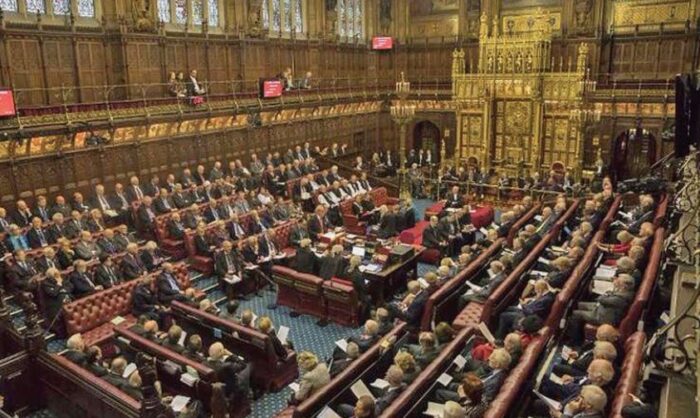
Now, let me bring this a little closer to home with a personal experience.
One of the reasons I believe it is important for us to understand the responsibilities of our legislators is that we need to know what we can reasonably expect from them.
I’ll use the UK as an example.
There was a time I had an unresolved matter with the Home Office which, in my opinion, was taking rather too long to resolve. I was getting increasingly concerned and considered engaging a lawyer to represent me.
When I eventually spoke to one, she suggested something I hadn’t even considered: why not involve my constituency MP?
“Really?” I asked, somewhat surprised.
She encouraged me to send a detailed email explaining the situation, together with the necessary supporting documents, and assured me that the MP’s office could look into it.
So, I followed her advice, fingers crossed, and sent off my email.
Shortly afterwards, I received a response from the MP’s secretary acknowledging my correspondence and confirming that they would see what they could do.
Brethren, they did o! 😳
The matter received the necessary attention, and I was genuinely impressed by how the process worked.
I didn’t have to make an appointment to sit in the MP’s office, travel anywhere to plead my case or pay anyone to get the MP’s attention. I simply contacted my elected representative’s office, explained my problem and provided the relevant documentation. The office took it up through the appropriate channels.
Of course, this is not to suggest that an MP can override the law, dictate decisions to the Home Office or guarantee a particular outcome. There are established procedures and limits to what they can do. However, they can make enquiries, follow up on delayed cases and seek answers from the relevant government department on behalf of their constituents.
And that, ladies and gentlemen, is representation in action!
It brought home to me that an elected representative’s job does not begin and end with making laws or attending parliamentary sessions. There is also a responsibility to remain accessible, listen to constituents, raise their concerns and help them navigate the institutions and systems of government.
We should not expect less from our parliamentarians.
This is precisely why I am taking the time to explain the different legislative offices and their responsibilities. We cannot effectively hold people accountable for jobs we do not fully understand. Neither should we allow elected representatives to convince us that they are doing us extraordinary favours when they are simply carrying out the responsibilities attached to the offices we elected them to occupy.
Public office is public service. Representation is not a favour; it is a responsibility.
And perhaps, if we understood this better, we would begin to ask more of those seeking our votes and expect more from those already occupying these offices.
So, what does all this mean when choosing our candidates?
I have deliberately highlighted these responsibilities because I believe we sometimes place too much emphasis on the wrong things when assessing political contestants.
We are often impressed by political titles, party affiliations, financial muscle, campaign posters, handouts, popularity and the number of political heavyweights standing behind a candidate.
But beyond all these, we need to ask some more pertinent questions.
- Does this person understand the responsibilities of the office they are seeking?
- What is their educational, professional and political background?
- Do they have the competence, experience, temperament and capacity to perform the job?
- Do they understand the needs and challenges of the people they intend to represent?
- Can they articulate their vision and demonstrate how they intend to achieve it?
- Do they have a track record of service, leadership, accountability or meaningful contribution to society?
- Are they accessible to their constituents, or will they suddenly become difficult to locate once the election is over?
- Can they stand their ground, ask difficult questions and hold the government accountable, even when doing so is politically inconvenient?
And perhaps one of the most important questions: What exactly have they done with the opportunities and positions they have previously held?
Of course, we must also understand that legislators are not the same as members of the executive arm of government. A Senator cannot personally construct every road in their district, and a House of Assembly member cannot simply wake up and order the Governor to build a hospital.
Their job is to make laws, provide oversight, influence policy, advocate for their constituents and work through the appropriate government institutions to secure development.
Constituency projects and interventions can be part of their contribution, but the actual execution of government projects rests with the relevant executive authorities and agencies.
We must therefore assess them against what their offices can realistically deliver, rather than promises that sound good at campaign rallies but fall outside their constitutional responsibilities.
My Two Kobo
Ultimately, elections should be about choosing people who understand the assignment!
We need legislators who are knowledgeable, competent, accessible, accountable and courageous enough to represent the people, not just their political godfathers or personal interests.
We need people who understand that public office is a responsibility, not a reward for political loyalty.
And please, let us not confuse popularity with competence, political connections with capacity, or generosity during election season with a genuine commitment to public service.
My personal experience with my UK constituency MP reinforced something I believe we desperately need to embrace: representation should work for the people.
Our elected representatives should be accessible, responsive and willing to use the offices they occupy to address legitimate concerns. We should not have to beg, pay unofficial fees or demonstrate political allegiance before they attend to the needs of their constituents.
Neither should we be made to feel that a legislator has done us an extraordinary personal favour by performing the duties attached to their office.
Of course, we must also understand the limits of their constitutional powers and hold them accountable for what they are actually mandated to do, rather than expecting them to perform the functions of the executive arm of government.
As I begin my examination of the contestants seeking to represent us in the Senate, House of Representatives and Kwara State House of Assembly, I hope we can look beyond party colours, campaign promises and political theatrics.
Let’s examine the candidates, not just the parties. Let’s assess their records, not just their rhetoric. Let’s ask questions about their competence, accessibility, legislative experience and commitment to public service.
And, perhaps most importantly, let’s remember that the power to elect them comes from us. We should therefore never surrender our right to question them simply because they have won an election.
We are not doing them a favour by voting for them. They are being entrusted with the responsibility of serving us.
So, before you collect that campaign rice, take that photograph or join the political bandwagon, remember to ask: What exactly is this person bringing to the table, and how will their presence in that office make a difference?
Because beyond the campaigns, the handshakes, the political alliances and the election-day drama, we deserve representation that works.
Now, with that little introduction out of the way, let the political popcorn begin! 🍿
Kwara, are we ready?
By all means, collect the rice, enjoy the music and wear the campaign T-shirt. But when it’s time to vote, may your brain be louder than the campaign speakers! 😂
Your vote is not a thank-you card. It’s a job offer. Choose wisely!
Love, Aunty Lulu. 😘”
Missed the Earlier Editions? Catch Up Here!
Kwara Decides 2027: The Candidates, the Running Mates and the Questions We Should Be Asking
Nigeria Decides 2027: The Curious Case of Kwara and the APC’s Political Drama


